Family Evacuation Plan Checklist (Hurricane Edition)
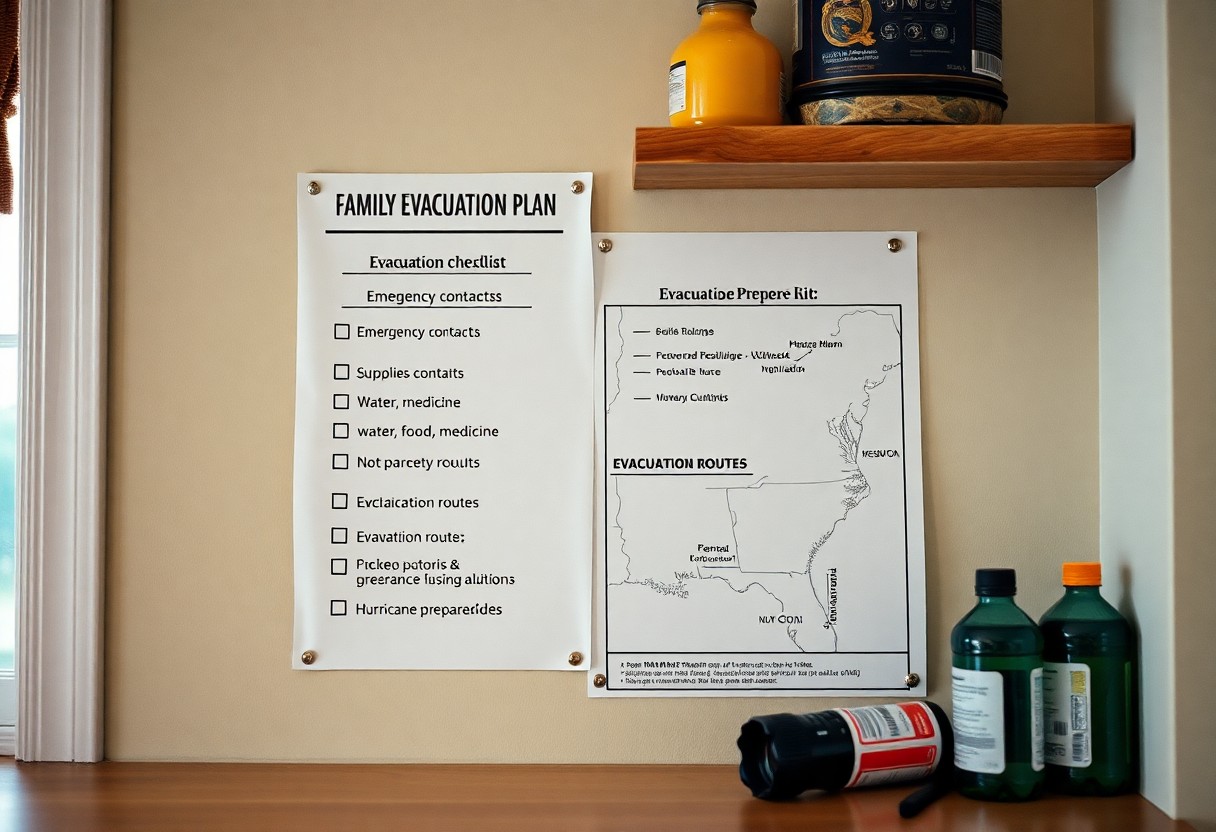
Hurricane season can bring unexpected challenges, so preparing your family with a solid family evacuation plan is vital. Having a well-thought-out checklist ensures you stay organized and helps keep everyone safe. In this post, you’ll find everything you need to create a tailored evacuation plan that suits your family’s needs, making the process smoother and less stressful when it matters most.
Key Takeaways:
- Establish a communication plan with all family members.
- Create an emergency supply kit with crucial items.
- Designate a safe location to evacuate to.
- Know your evacuation routes in advance.
- Stay informed about weather updates and local advisories.
Understanding the Hurricane Threat
What You Need to Know
Hurricanes pose significant threats not only due to high winds but also because of heavy rain, storm surges, and flooding. The Saffir-Simpson Hurricane Wind Scale categorizes hurricanes from Category 1 to Category 5, with each category indicating increasing wind speed and potential damage. A Category 1 hurricane produces winds of 74-95 mph, which can cause minimal damage, while a Category 5 hurricane, with winds exceeding 157 mph, can result in catastrophic damage, making structures uninhabitable and displacing entire communities. Understanding these categories helps gauge the urgency of preparations and evacuation decisions.
Your home’s vulnerability to hurricanes depends on various geographic and structural factors. Coastal areas face different risks compared to inland regions, with storm surges often posing the most immediate dangers along the shore. The flooding that can accompany a hurricane often extends well beyond coastal zones, consequently affecting homes miles inland. Staying informed about your local flood zones and storm surge maps is imperative for assessing the risks specific to your location.
Preparing for Hurricane Season
Preparation starts well before the official hurricane season, which typically runs from June 1 to November 30. First, create an emergency kit with non-perishable food, water, medications, flashlight batteries, and important documents. Aim for at least a three-day supply to cover you and your family. You should also familiarize yourself with your local weather alerts and forecasts, using apps or NOAA weather radios to stay updated on impending storms. Depending on your location, consider strengthening your home against wind damage by securing windows with storm shutters or plywood.
Conducting a thorough assessment of your home’s readiness should complement your emergency kit preparation. Inspect your roof for loose shingles and check drain systems to ensure they’re clear of debris. Additionally, establishing a communication plan with family members can reduce stress during an actual evacuation. Designate an out-of-state contact and outline specific meeting points to ensure everyone stays connected. Taking these proactive steps creates a solid foundation for your family’s safety during hurricane season.
Creating Your Family Evacuation Plan
Identify Safe Locations
Begin by mapping out safe locations where your family can evacuate during a hurricane. Identify several destinations, such as the homes of friends or relatives outside the hurricane zone, local shelters, or community centers. Make sure these locations are accessible and familiar to all family members. For example, if you’re located in a coastal area, having a relative’s house in a nearby city that is inland can be a wise choice. Knowing your options ahead of time reduces confusion under pressure.
Familiarize your family members with these safe locations, including the routes you will take to get there. Use a combination of physical maps and digital tools to ensure everyone can navigate effectively. Consider factors like traffic, road closures, and the amount of time it typically takes to reach these locations. Your family evacuation plan should be regularly reviewed and adjusted based on any changes in routes or potential hazards. For more comprehensive guidelines, check out the NOAA’s hurricane preparedness page.
Establish Communication Methods
Creating a solid communication plan is necessary for keeping your family connected during a hurricane event. Designate a family member as the primary point of contact and a secondary person in case the first is unreachable. Share all relevant phone numbers and email addresses with each family member, ensuring everyone has access to a list of emergency contacts. Additionally, plan for communication methods that don’t rely solely on traditional phone lines, such as social media or texting, which can be more reliable during a storm.
Incorporate regular check-ins into your plan, deciding how often and by what means you’ll communicate once evacuation is underway. This can include group messaging apps or designated times to call one another. Each family member should use various methods to stay informed about the situation, such as listening to weather reports or following local news updates. Formulating these strategies now prepares you for the chaotic moments during an emergency.
Essential Supplies Checklist
Food and Water
Stocking up on food and water is imperative for your family’s survival during a hurricane. Aim for at least a three-day supply of non-perishable food items that require little to no preparation. Canned goods, dried fruits, nuts, and energy bars are excellent choices because they last long and are easy to transport. Ensure you have enough water, ideally one gallon per person per day, including water for your pets. Consider investing in portable water purification systems if you might need to source water from outside.
Your food storage should also include a manual can opener, utensils, and any special dietary items needed for your family members. Utilizing insulated bags and small coolers can help if you plan to keep perishables before evacuation or if you are on the move. For further guidance, you can refer to USI’s checklist for Hurricane Preparedness.
Medical and Safety Supplies
A well-stocked medical kit can make a significant difference during emergencies. Your kit should include bandages, antiseptic wipes, gauze, and various medications like pain relievers, allergy medications, and first-aid ointments. Additionally, include any prescription medications and a copy of your family’s medical history. Don’t forget items for specific needs such as inhalers or diabetic supplies. If anyone in your household requires medical equipment, ensure you have a plan for how to transport or power these devices.
Safety supplies play a pivotal role in enhancing your family’s preparedness. Flashlights with extra batteries, whistles, multi-tools, and portable chargers are imperative for maintaining functionality during power outages or when navigating your environment. Fire extinguishers and emergency blankets also belong in your kit. Equip your family with a means of communication, such as a battery-operated radio, to stay informed of updates during an emergency.
Be aware that your medical and safety supplies should also include a disaster plan that outlines key contacts, evacuation routes, and safe locations. Regularly check and refresh these supplies to ensure they remain up-to-date and effective. Familiarizing yourself with the contents of your emergency kit can help reduce stress and encourage efficiency when you need to act quickly.
Preparing Your Home for Evacuation
Securing Important Documents
Gather all imperative documents in advance and store them in a waterproof container. This should include passports, birth certificates, insurance policies, and medical records. Digital copies of these documents can also be useful; consider storing them on a USB drive or in a secure cloud service. Having everything organized not only saves time during an evacuation but also ensures you won’t forget vital information that can be challenging to replace.
Designate a specific location in your home for these documents, ideally in a central area that’s easy to access. Inform all family members where to find these important papers, so everyone knows what to grab if there’s a hurried exit. You can also prepare an inventory list of valuables and belongings, making it easier to report any losses to your insurance company later.
Protecting Your Property
Taking steps to safeguard your home can minimize damage from the storm. Start by securing windows and doors with storm shutters or plywood. If you’re in a flood-prone area, consider elevating appliances and utilities. Move outdoor furniture, decorations, and potted plants inside to prevent them from becoming projectiles in high winds. These preparations can significantly decrease the risk of property damage.
Creating a barrier can help protect your home from rising waters. Sandbags are an effective option; placing them around doorways and vents can redirect water away from your home. In addition to structural measures, ensure your homeowner’s insurance is up-to-date and covers hurricane-related damage. This step is imperative for peace of mind when facing the potential for severe weather impacts.
Evacuation Transportation
Choosing Your Mode of Transport
Selecting the right mode of transportation is vital for a smooth evacuation process. Depending on your location and the number of family members, options may vary from personal vehicles to public transportation. If you opt for your car, ensure it is in good working condition with a full tank of gas, as fuel availability may become limited during an evacuation. Additionally, if you have elderly family members or those with special needs, consider how their mobility might affect your transport choice.
Public transport options can be helpful, especially if you don’t have access to a personal vehicle. Some communities offer shuttles or buses specifically for emergency evacuations. Check with local transit authorities or resources to understand availability and schedules. Always have a backup plan in case your primary transportation method becomes unfeasible.
Planning Your Route
Planning your evacuation route requires attention to the specifics of local infrastructure. Familiarize yourself with multiple routes from your home to designated safe areas. Rely on maps or GPS applications that provide real-time traffic updates. During a hurricane, some roads may become impassable or congested due to high traffic volumes or flooding. By knowing alternative paths, you can ensure your family reaches safety more efficiently.
Consider the locations of emergency shelters along your planned routes. It’s helpful to have the contact details and addresses of these shelters saved on your mobile device. This way, if conditions change unexpectedly, you can make instant adjustments based on real-time information or advice from local authorities. Ensuring that everyone in your family knows the plan will minimize confusion and reduce stress during an evacuation.
Special Considerations
Pets and Animals
Including your pets in your evacuation plan ensures their safety and comfort during a hurricane. Prepare a pet emergency kit with crucial supplies such as food, water, medications, a leash, and a familiar blanket or toy. Keep a copy of your pet’s vaccination records, as some shelters may require proof of vaccinations before admission. Choose a pet-friendly shelter or identify hotels that will accept animals, or arrange for trusted friends or family to care for them if evacuation becomes necessary.
Practice loading your pets into your vehicle to reduce their stress on the day of evacuation. Familiarity with the process can help them adapt more easily when it’s time to leave. Ensure your pets are microchipped or wearing identification tags with your contact information to improve the chance of reuniting if you become separated during the ordeal.
Seniors and Individuals with Disabilities
For seniors and individuals with disabilities, preparation involves assessing specific needs that may arise during an evacuation. Consider the accessibility of transportation options and ensure you have assistance if mobility aids are required, such as wheelchairs or walkers. Stock up on crucial medical supplies and medications, and keep a list of any necessary equipment that may be vital during your evacuation.
Develop a communication plan that includes contacts capable of assisting those with special needs if you are unable to evacuate together. Rehearsing the evacuation plan with seniors can ease anxiety, creating familiarity with how transitions will occur and ensuring they have a clear understanding of the process.
Conclusion
So, preparing a Family Evacuation Plan Checklist for hurricane season can significantly ease your mind and ensure your loved ones remain safe during a storm. By taking the time to gather important documents, supplies, and communication strategies, you are setting up a solid foundation for your family’s safety. Make sure to involve everyone in your household in the planning process so that everyone knows their role and what to expect if evacuation becomes necessary.
Having a well-thought-out plan not only streamlines the process when the time comes but also instills confidence in your family’s ability to face any challenges. Keep your checklist updated and diligently review it with your family each year, adjusting as needed. With a solid plan in place, you can focus on what really matters: staying connected with your loved ones and maintaining peace of mind, even in the face of severe weather.
FAQ
Q: What is a Family Evacuation Plan Checklist for hurricanes?
A: A Family Evacuation Plan Checklist for hurricanes is a comprehensive guide that outlines the necessary steps and items a family should prepare and consider when evacuating their home due to hurricane threats. It ensures that all family members are on the same page regarding safety procedures and necessary supplies.
Q: What should be included in a family emergency supply kit?
A: A family emergency supply kit should include water (one gallon per person per day), non-perishable food, a flashlight, batteries, a first-aid kit, medications, important documents, cash, clothing, personal hygiene items, and any necessary supplies for pets.
Q: How can a family create a communication plan?
A: A communication plan can be created by designating an out-of-state contact person, establishing a meeting point if separated, and ensuring all family members have a list of emergency contacts. Practice the plan regularly to ensure everyone knows how to reach each other.
Q: What are the key steps to take before evacuating?
A: Key steps before evacuating include securing the home (boarding up windows, turning off utilities), packing the emergency supply kit, reviewing the evacuation route, ensuring vehicles are fueled, and notifying neighbors of your plans.
Q: How should families prepare for pet care during evacuation?
A: Families should include pets in their evacuation plans by preparing a pet emergency kit, including food, water, a leash, vaccination records, and a crate. Identify pet-friendly shelters or hotels along the evacuation route and ensure pets are wearing identification tags.