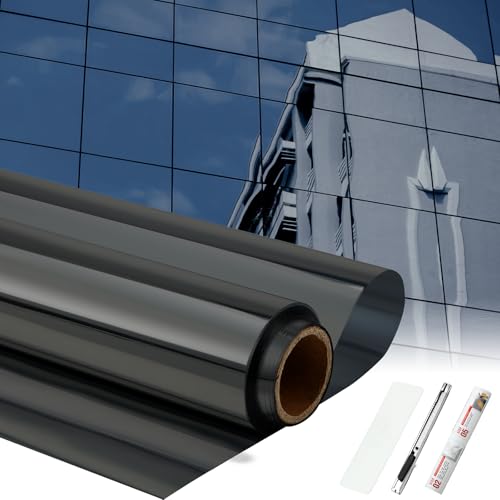
DIY Window Security Film Installation Guide
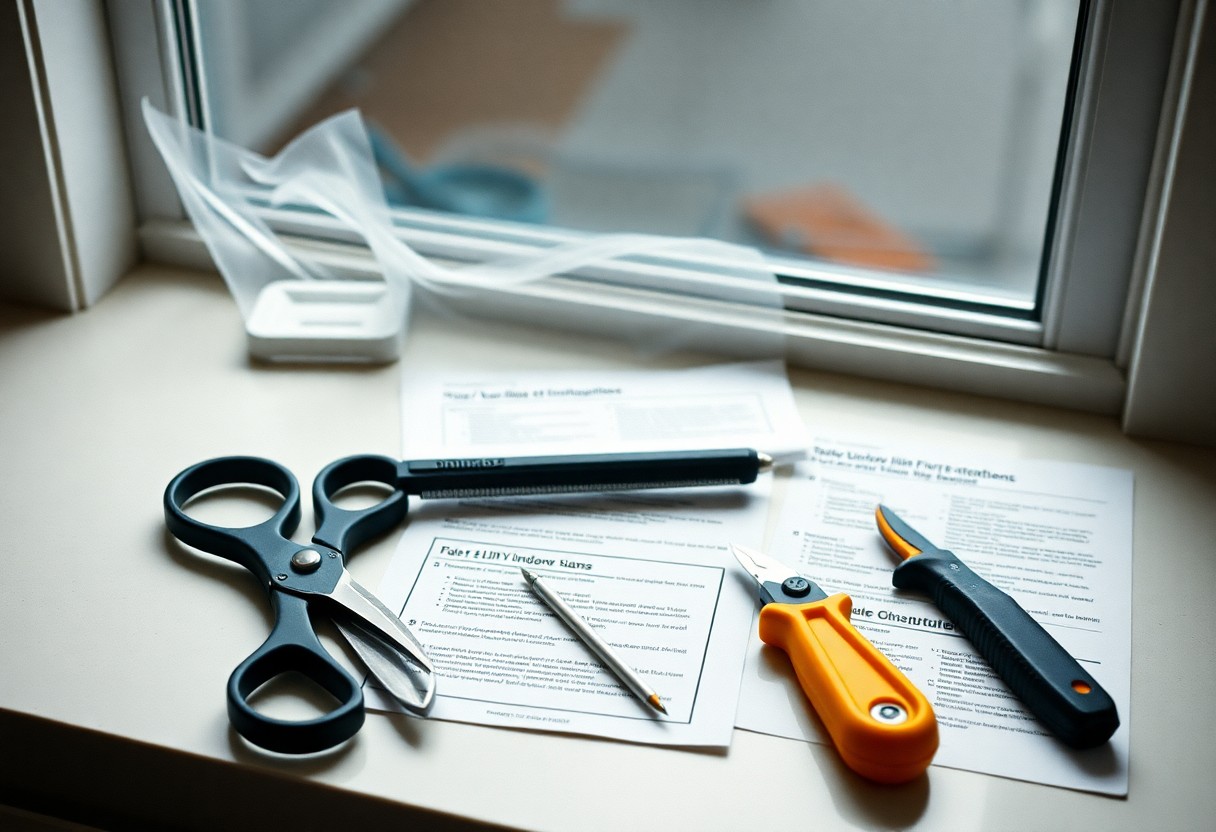
Over the years, enhancing your home’s security has become crucial, and one effective method is installing window security film. This guide will walk you through the process, ensuring you feel confident and empowered to tackle the installation yourself. With a few simple supplies and steps, you can add an extra layer of protection to your windows, making your home safer for you and your loved ones.
Key Takeaways:
- Choose the right type of security film based on window size and security needs.
- Clean the window surface thoroughly before installation to ensure proper adhesion.
- Measure and cut the film slightly larger than the window dimensions for full coverage.
- Use a squeegee to remove air bubbles during application for a smooth finish.
- Allow the film to cure for at least 48 hours to achieve optimal strength and clarity.
Types of Window Security Films
Choosing the right type of window security film is imperative for achieving your desired results. Various films offer benefits tailored to specific needs, such as UV protection, privacy enhancement, or increased safety. Understanding the differences will help you select the best option for your home or office.
- Solar Control Films
- Privacy Films
- Safety and Security Films
- Decorative Films
- Anti-Graffiti Films
Any choice you make can significantly improve your property’s functionality and aesthetics. For detailed guidance, visit Do-It-Yourself Window Film Installation Instructions.
| Type | Benefit |
|---|---|
| Solar Control Films | Reduce glare and heat from the sun |
| Privacy Films | Enhance privacy by obscuring visibility |
| Safety and Security Films | Increase shatter resistance and security |
| Decorative Films | Add design elements to windows |
| Anti-Graffiti Films | Protect surfaces from vandalism |
Solar Control Films
Solar control films help manage the amount of sunlight entering your space. By reflecting heat and reducing glare, these films make indoor environments more comfortable during hot months. Additionally, they can lower energy costs by reducing air conditioning needs.
Privacy Films
Privacy films provide a barrier against prying eyes while allowing natural light to filter through. They are ideal for residential and commercial spaces where maintaining visibility from the outside while ensuring privacy is necessary.
Available in various opacities and designs, privacy films can transform your windows without sacrificing aesthetics. You can choose from frosted, tinted, or patterned options that cater to your specific privacy needs while enhancing your interior decor.
Safety and Security Films
Safety and security films are designed to strengthen glass and prevent shattering upon impact. This added layer of protection can deter break-ins and accidents, making them a great choice for homes and businesses seeking to enhance safety.
These films often come with added benefits, such as UV protection and glare reduction, ensuring that your space is not only secure but also comfortable and energy-efficient. By securing your windows this way, you increase the resilience of your property against unforeseen events, including storms and attempted break-ins.
Tips for Choosing the Right Film
Selecting the appropriate window security film is vital for maximizing both protection and aesthetics. Consider factors such as film thickness, transparency, and your specific security goals. Look for products that are certified by safety organizations for added peace of mind.
- Identify your primary security needs
- Assess the level of natural light desired
- Evaluate the aesthetic features that complement your home
- Choose between clear or tinted options based on privacy
Thou must weigh the pros and cons of each option carefully to make an informed decision.
Consider Your Needs
Your unique requirements will guide the selection process for window security film. If you live in an area prone to break-ins or severe weather, opt for a thicker, more durable film. For homes with children or pets, a shatter-resistant film may be the priority, while aesthetics or privacy enhancements might be of higher importance in other scenarios.
Check for UV Protection
Window films can provide significant UV protection, shielding your interior from harmful rays that fade furniture and flooring. Many films block up to 99% of UVA and UVB radiation, which not only protects your home but also reduces energy costs by regulating indoor temperatures.
Opting for UV-protective films serves dual purposes. Firstly, they enhance safety by reinforcing glass, but they also contribute to your home’s energy efficiency, which can lead to lower air conditioning costs during hot months. Products that offer this feature tend to be rated based on their UV-blocking capabilities, ensuring you select one that aligns with your home’s specific needs. This provides a comprehensive solution that protects both your environment and your investments over time.
Step-by-Step Installation Guide
| Step | Description |
| 1. Gather Your Materials | Get all necessary tools and supplies ready for a smooth installation. |
| 2. Prepare the Window Surface | Clean your window thoroughly to ensure proper adhesion. |
| 3. Apply the Film | Carefully place the film onto the window for optimal results. |
Gather Your Materials
Collect all the tools you’ll need before you begin your project. This includes window security film, a utility knife, a squeegee, a measuring tape, and cleaner. It’s also helpful to have a spray bottle filled with soapy water to aid in application and ensure smooth handling of the film.
Prepare the Window Surface
Ensure your window is spotless by wiping it down with a suitable cleaner. Any dust, dirt, or grease will interfere with the film’s ability to adhere correctly. Using a lint-free cloth or paper towel helps achieve a streak-free finish, maximizing the film’s effectiveness.
A clean window surface is imperative for a successful installation. Start by removing any old window film, if present, then spray the glass with a soapy mixture, ensuring complete coverage. Scrub the surface gently using a soft cloth or sponge, paying attention to corners and edges where grime may accumulate. Rinse with clean water and dry thoroughly before moving on to applying the security film.
Apply the Film
Once your window is prepared, start applying the film carefully. Peel back a small section of the backing and align it with the top edge of the window. Gradually work downwards, smoothing out any bubbles or wrinkles as you go.
For a seamless application of the film, begin at the top of the window and peel the backing downwards gradually. Use your squeegee to push out air bubbles, working from the center to the edges. If you encounter stubborn bubbles, puncture them gently with a pin, then smooth out again with the squeegee. This approach minimizes imperfections and ensures a tight fit along the edges for enhanced durability.
Factors to Consider Before Installation
Before proceeding with your window security film installation, assess several critical factors to ensure optimal results. Consider aspects like window size, type, and the specific climate you live in, as these can significantly impact the film’s effectiveness and longevity. Additionally, evaluate the level of security you need and any applicable building regulations. This will help you make informed choices for your installation project.
- Window characteristics
- Environmental conditions
- Security requirements
- Local regulations
This ensures your window film serves its purpose effectively.
Window Size and Type
Your window size and type directly influence the effectiveness of the security film. Larger windows may require multiple sheets, while specialty windows like tempered or double-glazed may need specific films tailored for their unique composition. Ensure the film you choose is compatible with your window style for maximum adhesion and performance.
Climate and Weather Conditions
Climate and weather conditions should also guide your choice of security film. In areas with extreme temperatures, films that resist heat and UV degradation will perform better over time. Also, high humidity can affect adhesion, so it’s wise to opt for films designed to withstand moisture exposure.
For instance, if you reside in an area prone to storms or high winds, selecting a thicker film or one with enhanced shatter resistance can provide added protection. Research local weather patterns to determine the best film specifications. Additionally, a film that promotes insulation will improve energy efficiency, a bonus during extreme weather conditions. This consideration enhances both the security and comfort of your home.
Pros and Cons of Window Security Films
| Pros | Cons |
|---|---|
| Enhances safety by holding glass together upon impact. | Can be less effective against extremely forceful attacks. |
| Reduces UV exposure, protecting furniture and flooring. | May create a slight distortion in visibility. |
| Affordable alternative to window replacement. | Installation may require precise techniques for optimal results. |
| Improves energy efficiency by reducing heat loss. | Some films may not be suitable for all window types. |
| Available in various tints for privacy. | Requires proper maintenance to ensure longevity. |
| Easy to remove if needed. | Initial application can be time-consuming. |
| Enhances home security without compromising aesthetics. | Limited options for complete shatter resistance. |
Benefits of Installation
Installing window security films provides numerous advantages, such as enhanced safety by preventing shattering during break-ins or accidents. The films also offer UV protection, minimizing sun damage to your home’s interior. Additionally, they can help reduce energy costs by improving insulation, creating a more comfortable living environment, and maintaining privacy without compromising natural light.
Potential Drawbacks
While window security films have significant benefits, some drawbacks warrant consideration. Depending on the film’s quality and installation, not all films provide comprehensive protection against high-impact forces. You may also face visibility distortions or a need for precise application, which can complicate the installation process. Furthermore, some films may not work effectively on certain window types or may require ongoing maintenance to remain effective.
Additionally, although films are a cost-effective solution for enhancing security, they do not make windows completely shatterproof. Extreme force can still break the glass, creating potential injury hazards. The installation process can be labor-intensive, requiring specific tools and technique to achieve the best results. If not applied correctly, films may peel or bubble over time, necessitating repairs or replacement ahead of schedule.
Maintenance and Care Tips
To keep your window security film in optimal condition, adhere to simple maintenance practices. Regularly inspect the film for any signs of wear or damage, and gently clean it to maintain clarity and effectiveness. To ensure longevity, consider these tips:
- Avoid harsh chemicals and abrasive materials.
- Use a soft cloth or squeegee for cleaning.
- Keep window frames in good condition to prevent moisture buildup.
- Follow manufacturer guidelines, such as those in the Interior Safety Films Installation Guide.
Recognizing potential issues early allows you to address them promptly, ensuring your film lasts for years.
Cleaning Recommendations
For cleaning your window security film, use a mixture of mild soap and water. Apply it with a soft cloth to gently wipe the surface, avoiding direct sunlight during cleaning to prevent streaks. Rinse thoroughly with clean water to remove all soap residue, ensuring that the film maintains its transparency and protective features.
Longevity of the Film
Window security films can last several years, typically ranging from 5 to 15 years, depending on the installation quality and environmental exposure. Factors like sun exposure, extreme temperatures, and proper care greatly influence the longevity of the film.
A high-quality installation paired with regular maintenance contributes significantly to the lifespan of your window security film. Films exposed to heavy sunlight may degrade faster if not cared for properly, while those in shaded areas tend to last longer. Always consult the manufacturer’s recommendations for specific longevity expectations, ensuring you maximize your investment.
Final Words
Following this DIY window security film installation guide, you can effectively enhance your home’s safety while enjoying a sense of accomplishment. With the right materials and steps laid out for you, installing the film becomes a manageable task that adds an extra layer of protection to your windows. Take pride in your ability to create a more secure living space for yourself and your loved ones. Enjoy the peace of mind that comes with knowing you’ve taken proactive steps to safeguard your home.
FAQ
Q: What materials do I need for DIY window security film installation?
A: You will need window security film, a utility knife, a squeegee, a measuring tape, a spray bottle with soapy water, and a clean cloth for application.
Q: How do I prepare the window before applying the security film?
A: Clean the window thoroughly with glass cleaner to remove any dirt or debris. Allow the surface to dry completely before proceeding with film application.
Q: What is the best method to apply the security film?
A: Spray a solution of soapy water on the window, peel the backing off the film, and position it against the glass. Use the squeegee to remove air bubbles and excess water, ensuring the film adheres well.
Q: How do I trim the security film for a perfect fit?
A: After applying the film, use a utility knife to trim the excess film around the edges of the window, ensuring a neat and clean finish. Be careful to avoid cutting into the window frame.
Q: How long does the installation process take?
A: The installation process typically takes around 1 to 2 hours, depending on the size of the window and your experience with DIY projects.