Generator Safety for Hurricanes – Avoid CO and Fire Hazards
It’s important to prioritize safety when using a generator during hurricane season. By understanding the risks of carbon monoxide (CO) and fire hazards, you can take the necessary steps to protect yourself and your loved ones. This guide will provide you with helpful tips and best practices to ensure that your generator operates safely, allowing you to weather the storm with peace of mind. Incorporating generator safety measures is essential for effective preparation.
Key Takeaways:
- Operate generators outdoors, at least 20 feet away from windows and doors.
- Ensure proper ventilation to prevent carbon monoxide buildup.
- Keep generators dry and protected from water exposure.
- Use heavy-duty, outdoor-rated extension cords to connect appliances.
- Store fuel in approved containers and away from heat sources.
Understanding Generator Hazards
Carbon Monoxide Risks
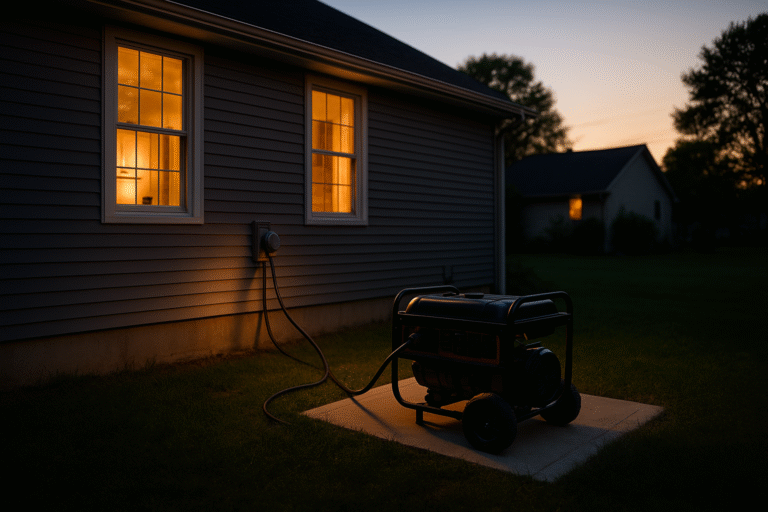
Carbon monoxide, an odorless and colorless gas, is produced when generators burn fuel. Even a small amount of this toxic gas can cause serious health issues or even death. You might think that operating your generator outside is sufficient to prevent CO poisoning, but surrounding conditions, such as wind direction, can cause dangerous levels of carbon monoxide to accumulate near windows or doors. Ensuring that your generator is located at least 20 feet away from any entry points to your home significantly reduces this risk.
If you experience headache, dizziness, or confusion while using a generator, it’s imperative to seek fresh air immediately and call for help. Installing CO detectors in key areas of your home can provide an additional layer of security. Keeping your family informed about the symptoms of CO poisoning will ensure that everyone can act quickly in the event of an emergency.
Fire Hazards
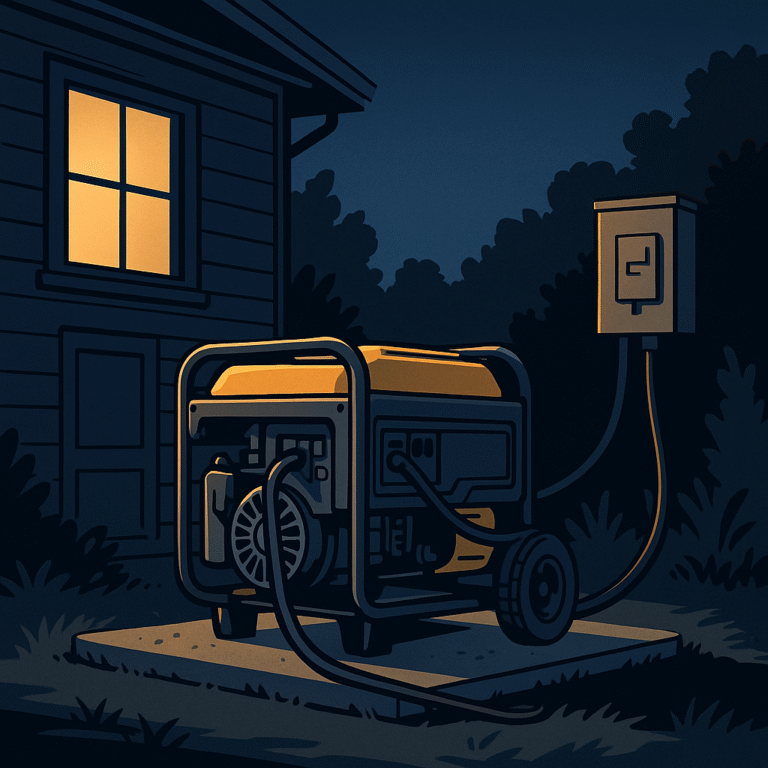
Generators can ignite nearby flammable materials, leading to devastating fires. Fuel spills, improper storage of gasoline, and operating a generator in close proximity to combustible materials increase your risk. It’s advisable to store fuel in approved containers, away from ignition sources, and to always let your generator cool down before refueling. Avoid connecting your generator directly to your home’s electrical system without a transfer switch, which can cause back-feeding into power lines and create a fire hazard.
Even during inclement weather, generators should be placed on stable ground, protected from adverse conditions that could cause short circuits or electrical failures. A safe distance from your home and proper grounding practices can mitigate the dangers associated with sparks and overheating. Adhering to manufacturer guidelines for maintenance and operation will not only enhance safety but also prolong the life of your generator.
Safe Placement of Generators
Outdoor Locations
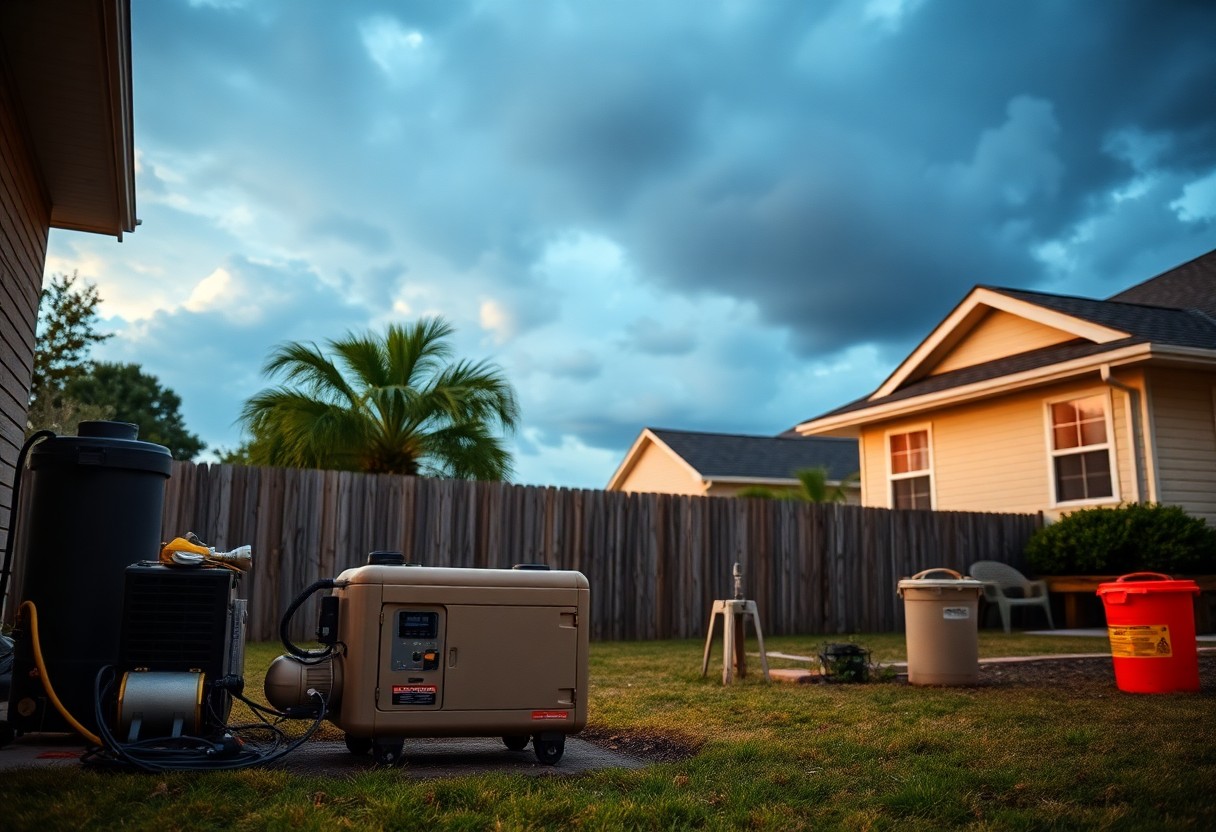
Placing your generator in the right outdoor location can significantly reduce hazards associated with carbon monoxide (CO) exposure and fire risks. Position the generator at least 20 feet away from your home, covered patio, or garage. A clear, open space ensures that fumes dissipate quickly, minimizing the chances of CO entering your living areas. Avoid wet or muddy spots that can cause electrical hazards; instead, opt for a dry, level surface, ideally elevated to prevent flooding during heavy rains.
Consider utilizing a generator enclosure or a dedicated generator pad, which can enhance safety and help with noise reduction. Make sure that the generator is protected from wind and heavy rain, but always ensure there’s adequate ventilation. For further guidelines, refer to the comprehensive Hurricane Safety resources, as these provide valuable information on proper setup and safety measures.
Distance from Open Windows and Vents
Establishing a safe distance between your generator and open windows or vents is vital for preventing CO buildup indoors. Aim for a minimum distance of 15 feet from any windows, doors, or air intakes. This buffer zone helps ensure that harmful exhaust does not enter your home, protecting yourself and your family from potential poisoning. Always check wind direction when setting up your generator, as shifting winds can carry exhaust fumes closer to your living spaces.
Within this distance, consider the layout of your home and any nearby obstacles that could funnel CO back toward you. Using your generator in a well-ventilated area will help maintain air quality and ensure compliance with safety standards, further reducing the risk of fire hazards through proper placement.
In addition to the physical distance, it’s wise to remain vigilant about environmental factors such as prevailing winds or nearby trees that may obstruct airflow. Keeping your generator well away from those openings and ensuring that the area remains accessible for monitoring and maintenance are key steps in maintaining safety during storm preparedness.
Proper Generator Maintenance
Pre-Storm Checks
Before a storm hits, ensuring your generator is in optimal condition is imperative for a smooth operation during power outages. Start by checking the oil and fuel levels, and make sure to replace old fuel with fresh gas. Clogged or dirty air filters can impede performance, so inspect and clean or replace them as needed. Test the unit by running it for a short period, listening for any unusual noises or vibrations that might indicate an underlying issue. Familiarize yourself with the generator’s manual, as it provides specific maintenance tips pertinent to your model.
Clean the generator’s exterior and remove any debris or flammable materials that may have accumulated around it. The placement of your generator matters; ideally, it should be outdoors, away from doors and windows, to mitigate the risk of carbon monoxide buildup. For additional guidance, consult the Generator safety: experts give hurricane season tips to enhance your readiness before the storm.
Post-Storm Care
After the storm passes, your generator deserves careful attention to ensure it remains functional for any additional power outages that may occur. Start by inspecting the generator for any external damage. Look for signs of water intrusion, rust, or debris that might have affected its operation. Burnt fuel or oil residue can signal that it requires further inspection or servicing. Dust and dirt from the storm can clog air vents and filters, so a thorough cleaning is advisable.
Once you’ve checked for visible damage, run the generator for a short duration. This allows you to monitor its performance and catch any potential issues early. If the generator doesn’t operate smoothly or shows warning lights, consult a professional for maintenance or repairs. Keeping records of these inspections and any work done will help maintain your generator’s longevity and reliability.
Regular maintenance checks post-storm can prevent long-term issues and ensure your generator is always ready for the next emergency. Consider creating a maintenance schedule that includes changing the oil, inspecting spark plugs, and testing the battery regularly. This proactive approach will grant you peace of mind, knowing your generator will perform when you need it most.
Recommended Safety Gear
Personal Protective Equipment
Your safety during generator operation can greatly benefit from the use of personal protective equipment (PPE). A sturdy pair of work gloves will protect your hands from cuts and scrapes while handling the generator or cables. Safety goggles are vital to shield your eyes from debris and splashes that may occur, especially if you’re working in inclement weather conditions. If you’re working for extended periods in potential exposure to carbon monoxide, consider wearing a mask designed for air filtration to reduce inhalation of harmful fumes.
<p.a hard="" hat="" is="" advisable="" if="" you're="" working="" under="" conditions="" where="" falling="" debris="" might="" pose="" a="" risk.="" additionally,="" wearing="" non-slip,="" waterproof="" boots="" can="" provide="" the="" needed="" traction="" and="" prevent="" slips="" or="" falls="" in="" wet="" areas="" around="" your="" generator.="" right="" gear="" not="" only="" enhances="" comfort="" but="" primarily="" serves="" to="" keep="" you="" safe="" while="" responding="" emergencies="" during="" storms.Fire Extinguishers
<p.having a="" fire="" extinguisher="" readily="" accessible="" can="" be="" life-saving="" choice="" when="" operating="" your="" generator="" during="" hurricane="" conditions.="" ensure="" that="" you="" have="" class="" b="" on="" hand,="" which="" is="" suitable="" for="" flammable="" liquids="" and="" electrical="" fires="" commonly="" associated="" with="" use.="" it's="" vital="" to="" position="" the="" within="" reasonable="" distance="" from="" generator,="" easily="" reachable="" in="" case="" of="" an="" emergency. <p. regularly="" check="" your="" fire="" extinguisher's="" pressure="" gauge="" to="" ensure="" it's="" fully="" charged.="" worth="" familiarizing="" yourself="" and="" other="" household="" members="" with="" the="" proper="" usage="" technique—pull="" pin,="" aim="" low,="" squeeze="" handle,="" sweep="" from="" side="" side.="" this="" simple="" method="" can="" make="" all="" difference="" if="" a="" breaks="" out.Emergency Preparedness Tips
- Create a comprehensive safety plan.
- Gather imperative supplies beforehand.
- Stay informed about your area’s weather updates and emergency services.
- Establish communication plans with family and neighbors.
- Assume that power outages could last several days, and plan accordingly.
Creating a Safety Plan
Developing a safety plan is a foundational step in emergency preparedness. Start by outlining specific roles for family members, ensuring that everyone knows what to do and where to go in case of evacuation. Establish a meeting point if you become separated and ensure that everyone understands how to communicate during the crisis.
Incorporating local emergency services into your plan can also be beneficial; familiarize yourself with the nearest shelters, hospitals, and emergency contact numbers. Keeping a printed copy of your plan available, along with copies of important documents, can make a significant difference in ensuring everyone’s safety.
Gathering Essential Supplies
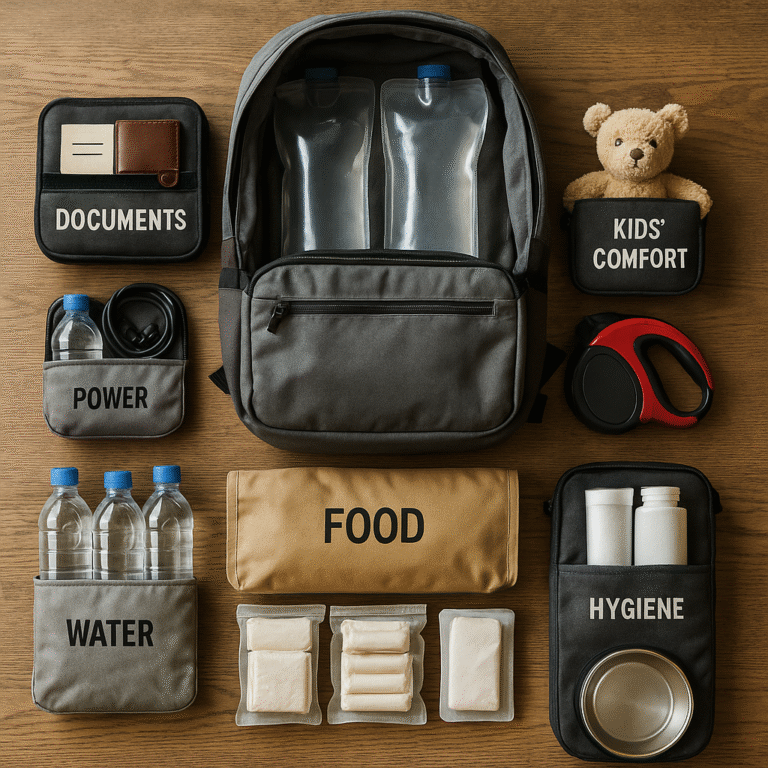
Compiling a list of imperative supplies will equip you to handle the challenges posed by a hurricane. Prioritize having enough non-perishable food, clean water, medications, and first-aid items to last a minimum of three days. Battery-operated radios, flashlights, and extra batteries become vital when the power goes out.
Consider including personal hygiene items, gloves, and masks, especially if you anticipate needing to venture out in public after the storm. Stocking these items beforehand eliminates the last-minute rush, providing peace of mind knowing that you are prepared for the unexpected.
Gathering imperative supplies should also extend to your power source. Ensure you have enough fuel to run your generator and consider purchasing extension cords that are rated for outdoor use. Having a well-stocked supply can help you maintain normalcy and keep your loved ones safe in a turbulent environment.
What to Do in Case of Emergency
Signs of CO Poisoning
CO poisoning can manifest with symptoms that you should take seriously. Headaches, dizziness, weakness, nausea, and confusion are among the first signs. If you or anyone in your home experiences these symptoms, especially after running a generator, immediate action is required. Rooms can fill with carbon monoxide quickly, making it vital to react swiftly.
If symptoms worsen, loss of consciousness may occur, increasing the risk of severe health issues or fatalities. Install CO detectors in your home, and be aware of their alerts. If the alarm sounds while the generator is operational, evacuate the premises immediately and seek fresh air.
Responding to Fires
Should a fire break out, your response should be immediate and decisive. If the fire is manageable, use a multi-purpose fire extinguisher to tackle small flames. Aim at the base of the fire and sweep side to side for effective results. Keep in mind that generator fuel can be highly flammable, so maintaining a safe distance is necessary.
When a fire escalates beyond your control, evacuate calmly and alert those in your vicinity. Always have an exit strategy and familiarize yourself with your home’s layout. Once outside, do not attempt to re-enter until authorities declare it safe.
In the chaos of a fire, staying calm is vital. Call emergency services as soon as you’re in a safe location and provide them with clear details about the situation. They are trained to handle these emergencies and will arrive equipped to extinguish the fire and secure the area. Keeping a fire blanket or extinguisher in proximity to your generator can prevent a small issue from turning into a disaster.
FAQ
Q: What are the primary safety concerns when using a generator during a hurricane?
A: The primary safety concerns include carbon monoxide (CO) poisoning and fire hazards. Generators should always be placed outdoors, away from windows and doors, to prevent CO buildup in living spaces. Additionally, ensure that the generator is positioned on a stable surface and away from flammable materials to minimize fire risks.
Q: How can I prevent carbon monoxide poisoning while using a generator?
A: To prevent carbon monoxide poisoning, always operate the generator outside in a well-ventilated area, at least 20 feet away from doors, windows, and vents. Installing CO detectors in your home can also help alert you to dangerous levels of carbon monoxide.
Q: What should I do if I smell gas near my generator?
A: If you smell gas near your generator, immediately turn off the generator and move away from it. Check for any leaks in the fuel lines or connections. Do not attempt to repair it yourself. Contact a professional to assess the situation before using the generator again.
Q: How should I store fuel for my generator safely?
A: Store fuel in approved containers, away from direct sunlight and heat sources. Keep it in a cool, dry location, ideally in a shed or garage, and ensure that it is sealed to prevent spills. Always use fuel stabilizers to extend the life of the fuel.
Q: What is the best practice for connecting the generator to my home?
A: The best practice is to use a transfer switch, which safely connects the generator to your home’s electrical system and prevents backfeeding, a dangerous situation where electricity flows back into the grid. Hire a licensed electrician for proper installation and compliance with local codes.