The Psychology of Preparedness: Staying Calm in a Crisis
It’s crucial to understand how your mind reacts in stressful situations. By cultivating preparedness, you can enhance your ability to stay calm when faced with a crisis. This post explores the psychology of preparedness that empowers you to handle unexpected events with confidence and clarity. Let’s look into how you can build a mindset that allows for resilience and adaptability, ensuring you’re ready for whatever challenges may come your way.
Key Takeaways:
- Understanding psychological responses to crises can enhance preparedness.
- Training and practice in emergency scenarios foster confidence and reduce panic.
- Effective communication during crises is vital for coordination and support.
- Maintaining a sense of control helps individuals manage stress and fear.
- Building a supportive community enhances resilience in the face of emergencies.
Understanding Crisis Situations
In times of crisis, understanding the dynamics at play can enhance your response. Recognizing common triggers and the environment can help you access resources effectively. Exploring insights on how to maintain your composure and manage anxiety can be invaluable. Check out 7 Tips for Staying Calm in a Crisis – Briden Academy for strategies that empower you to navigate urgent situations with confidence.
The Impact of Stress on Decision Making
Stress can cloud your judgment, leading to impulsive or irrational choices. In high-pressure situations, your brain may revert to instinctual responses, ignoring logical reasoning. Studies show that elevated cortisol levels can impair cognitive functions, reducing your ability to assess risks effectively. This can result in hasty actions and poor decision-making, emphasizing the need to develop techniques that help you stay calm and clarify your thoughts during crises.
Common Psychological Responses
Anxiety, panic, and denial are typical reactions during a crisis. Many people experience heightened anxiety, which can lead to physical symptoms like increased heart rate and difficulty concentrating. Panic may cause you to freeze or act without thinking, while denial can prevent you from acknowledging the severity of the situation. Understanding these responses can enhance your preparedness and enable you to manage your emotions in challenging circumstances.
Common psychological responses to crises can manifest in varied ways. Some individuals might find themselves feeling overwhelmed by a sense of helplessness, while others may react with aggression or irritability. These responses can create barriers in communication and problem-solving. Recognizing these psychological patterns allows you to develop coping strategies tailored to your needs, helping you to navigate crises more effectively and maintain a proactive mindset.
The Importance of Preparedness
Preparedness acts as a shield against chaos, allowing you to navigate crises with clarity and resilience. By anticipating potential challenges and equipping yourself with the right tools and knowledge, you significantly reduce panic and confusion in stressful situations. This proactive mindset fosters a sense of control, making you less susceptible to the psychological effects of crises, like anxiety and fear.
Physical and Mental Readiness
You cultivate physical and mental readiness through regular training and practice in emergency scenarios. Engaging in simulations or drills not only sharpens your response skills but also conditions your mind to stay focused under pressure. This preparedness enhances your confidence, ensuring that you can react effectively when real situations arise.
Building a Support Network
A solid support network plays a vital role in your overall preparedness strategy. Surrounding yourself with reliable friends, family, and community members creates a safety net that can provide assistance and reassurance in crises.
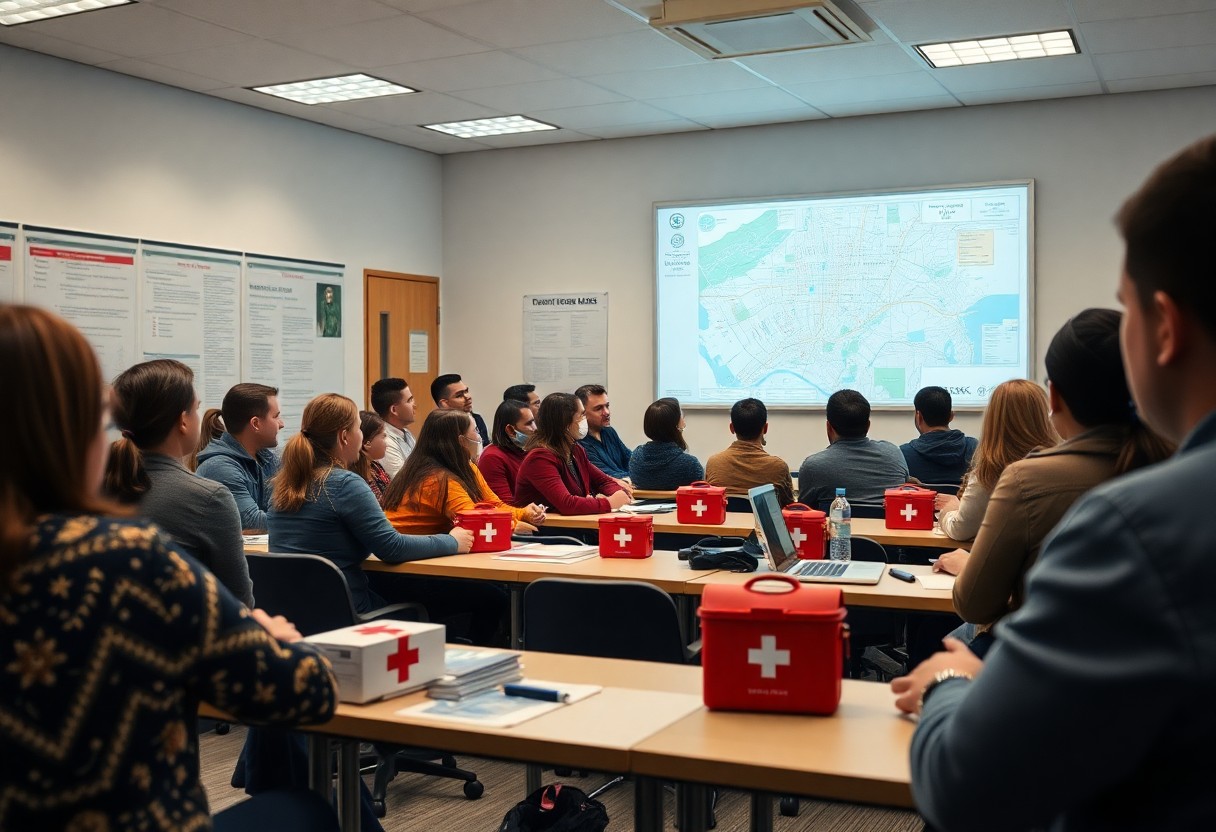
Building a support network involves identifying individuals who share your values and commitment to preparedness. Collaborate with them to establish communication plans, share resources, and participate in training together. Community courses and local groups offer opportunities to gain knowledge and strengthen connections. When challenges arise, having trustworthy allies not only boosts your confidence but enables collective problem-solving, amplifying your ability to cope with crises effectively.
Techniques for Staying Calm
Utilizing specific techniques can help you maintain your composure during a crisis. Developing these strategies allows you to respond more effectively instead of succumbing to panic. Techniques such as mindfulness, breathing exercises, visualization, and positive thinking can transform how you experience stressful situations and improve your decision-making capabilities.
Mindfulness and Breathing Exercises
You can anchor yourself in the present moment through mindfulness and breathing exercises. Focusing on your breath, inhaling deeply for a count of four, holding for four, and then exhaling for four can significantly lower anxiety. This technique slows your heart rate and shifts your focus from your overwhelming emotions to a manageable rhythm, allowing clarity to surface amid chaos.
Visualization and Positive Thinking
Your mind has the power to shape your response to emergencies. By employing visualization techniques, you can mentally rehearse successful responses to potential crises, enhancing your confidence. Positive thinking reinforces this by creating an optimistic inner dialogue, which can elevate your mood and keep fear at bay, improving your overall resilience.
Visualization involves crafting vivid mental images of successful outcomes, which can increase your confidence in handling emergencies. Picture yourself calmly navigating through challenging situations, making sound decisions, and ultimately reaching a positive resolution. This practice not only boosts your self-efficacy but also reminds your mind that you are capable of managing stress effectively, promoting a proactive stance instead of a reactive one. Positive thinking complements this by encouraging self-affirming thoughts that drive motivation and enhance your emotional fitness, equipping you to face adversity with a clear mind.
Creating a Preparedness Plan
A solid preparedness plan serves as your roadmap during a crisis, guiding your actions and decisions. By outlining specific steps, identifying necessary supplies, and designating roles for family members, you’ll have a clear structure to follow when chaos strikes. Investing time in creating this plan can simplify overwhelming situations, allowing you to focus on what matters most: keeping yourself and your loved ones safe.
Assessing Risks and Resources
Begin by evaluating potential risks specific to your area, such as natural disasters, economic instability, or health crises. This assessment not only highlights vulnerabilities but also helps identify the resources you have on hand. Catalog your supplies, skills, and available support networks to create a comprehensive inventory that can inform your preparedness strategy.
Practice and Drills: Getting Ready
Engaging in practice drills prepares you for real-life scenarios, allowing you to identify gaps in your plan and build confidence in your response capabilities. Regularly scheduled drills, whether for fire safety or emergency evacuations, ensure that everyone knows their roles and responsibilities. Incorporating realistic simulations can make these exercises more effective and insightful.
Utilizing techniques from behavioral psychology, such as visualization, can enhance your drill effectiveness. Imagine yourself executing your plan seamlessly, from gathering supplies to communicating with emergency services. Conducting scenarios at various times, like during a dinner or while you’re out, ensures that you and your family are well-prepared under different circumstances. Keeping your emergency contacts updated and ensuring everyone knows how to reach each other in different situations strengthens your overall readiness.
Facing the Unexpected
Unexpected events can throw you off balance, but your response can define the outcome. Instead of succumbing to panic, acknowledge your initial feelings and take a moment to assess the situation. Grounding yourself in the present can provide clarity, allowing you to focus on actionable steps rather than becoming overwhelmed by the unknown.
Adapting to New Situations
Flexibility is important when life takes an unforeseen turn. Embracing change helps you navigate challenges more effectively. By adopting a mindset that views obstacles as opportunities for growth, you enhance your ability to pivot quickly and implement solutions. This adaptability not only reduces stress but also fosters a sense of empowerment amidst uncertainty.
Cultivating Resilience
Resilience acts as your emotional buffer, enabling you to withstand adversity. Building it involves consistently challenging yourself, reflecting on past experiences, and learning from failures. Engaging in practices such as mindfulness and maintaining strong social connections can further enhance your capacity to rebound from setbacks.
Cultivating resilience is a dynamic process that involves intentional effort. Seeking support from friends or professional networks, actively participating in community events, and setting small, achievable goals can reinforce your resilience. Research shows that individuals with strong resilience skills recover from crises more effectively, often reporting higher levels of satisfaction and well-being in the long term. Engaging in self-care and prioritizing your mental health also play significant roles in developing a resilient mindset, helping you face future challenges with confidence.
Case Studies of Successful Preparedness
Effective preparedness can significantly impact outcomes during crises. Analyzing real-life examples sheds light on how proactive measures can lead to successful navigation through challenging situations.
- Hurricane Katrina (2005): Over 80% of New Orleans residents who evacuated early reported feeling safer compared to those who stayed.
- COVID-19 Pandemic (2020): Countries that implemented strict lockdowns early, like New Zealand, experienced significantly lower infection rates, with cases capped at 1,500.
- California Wildfires (2018): Areas with established emergency plans showed a 50% decrease in casualties compared to previous years.
- 9/11 Response (2001): Organizations with predetermined evacuation plans enabled 99% of employees to escape within 20 minutes.
Real-Life Examples
These case studies illustrate how preparedness can yield positive outcomes. Effective planning and early action in events like Hurricane Katrina and the COVID-19 pandemic resulted in lower casualties and better management of resources during crises.
Lessons Learned
Key takeaways from these case studies include the significance of preparedness and the implementation of well-thought-out plans. Early action not only enhances safety but also cultivates a sense of community resilience, turning potential chaos into coordinated responses.
Focusing on preparedness strategies reveals clear patterns. Individuals and organizations that prepare in advance not only mitigate risks but also foster a culture of alertness and responsibility. For instance, communities that invested in emergency drills and established protocols were able to mobilize resources swiftly, minimizing panic and confusion during actual emergencies. The psychological boost from knowing you’re prepared cannot be overstated, as it promotes calmness and adaptability in the face of adversity.
Final Words
Presently, understanding the psychology of preparedness can significantly enhance your ability to stay calm in a crisis. By developing practical strategies and fostering a resilient mindset, you can better navigate unexpected situations. Embracing your inner strength and being proactive can lead to more effective decision-making when it counts. For more insights, check out The Psychology of Crisis. Your composure can not only aid you but also inspire those around you during challenging times.
FAQ
Q: What is the psychology of preparedness?
A: The psychology of preparedness involves understanding how mindset, emotional resilience, and mental training contribute to an individual’s ability to effectively respond to crises. It emphasizes the importance of planning, training, and stress management techniques to foster calmness during emergencies.
Q: How can individuals develop mental resilience for crises?
A: Individuals can develop mental resilience by engaging in regular stress management practices, such as mindfulness, meditation, and physical exercise. Additionally, simulated training exercises and discussing potential crisis scenarios can enhance confidence and readiness.
Q: Why is staying calm important in a crisis?
A: Staying calm in a crisis allows individuals to think clearly, make rational decisions, and communicate effectively. It reduces panic, enabling better assessment of the situation and more efficient execution of emergency plans.
Q: What techniques can help maintain calmness during an emergency?
A: Techniques such as deep breathing, positive visualization, grounding exercises, and maintaining a focus on the task at hand can help individuals maintain calmness. Practicing these techniques regularly can improve overall crisis management skills.
Q: How can preparing in advance reduce anxiety about potential crises?
A: Preparing in advance by creating emergency plans, assembling supplies, and practicing response strategies can significantly reduce anxiety. This preparation fosters a sense of control and confidence, making individuals feel more equipped to handle unexpected situations.