Why Community Preparedness Matters More Than Ever
Resilience is key for you and your community when facing unexpected challenges. In today’s ever-changing world, being prepared together not only strengthens bonds but also enhances your ability to respond to disasters. Understanding the importance of community preparedness means you can create a safer environment for everyone. As events unfold around us, it’s imperative to recognize how collective efforts can make a significant difference in protecting lives and resources. Let’s explore why engaging with your neighbors and planning ahead becomes increasingly vital for your community’s well-being.
Key Takeaways:
- Enhances resilience against natural disasters and emergencies.
- Promotes collaboration and resource sharing among community members.
- Increases awareness of local risks and preparedness strategies.
- Improves response times and recovery efforts during crises.
- Encourages community engagement and fosters strong relationships.
Understanding Community Preparedness
Community preparedness involves the proactive measures that individuals and groups take to anticipate, respond to, and recover from emergencies. This collective approach is important as it builds resilience and ensures that communities can adapt to various crises, whether stemming from natural disasters, public health emergencies, or social unrest. Effective community preparedness enhances safety, increases resource availability, and promotes a culture of cooperation and support among residents.
What is Community Preparedness?
Community preparedness refers to the strategies and actions that individuals and organizations implement to prepare for potential emergencies. This includes creating emergency plans, conducting training sessions, organizing resource-sharing networks, and fostering relationships among residents. By being prepared, communities can respond more effectively and recover faster when challenges arise.
The Role of Community in Emergency Situations
In emergency situations, communities become vital lifelines for their members, offering immediate assistance, emotional support, and shared resources. Neighbors often step in to provide food, shelter, and information, reducing reliance on external aid. The strength of these local networks can dramatically improve response times, as residents understand the unique challenges faced in their area. A well-prepared community can also coordinate efforts, maximizing efficiency in resource utilization and creating a sense of unity during crises.
For example, during natural disasters like Hurricane Sandy, local efforts in New York highlighted how community-led initiatives provided critical resources when government support was overwhelmed. Neighborhood groups organized food drives, set up shelters, and communicated vital information, showcasing the power of local engagement. These grassroots efforts can dramatically shift the outcome during emergencies, emphasizing not only the importance of preparedness but also the impact of community spirit and collaboration in times of need.
Current Challenges We Face
Your community contends with various challenges that threaten resilience and safety. Increasing frequency and severity of natural disasters, public health crises, and social vulnerabilities require a proactive, organized approach. Engaging in a cohesive preparation strategy has never been so imperative. Explore more about A Community Approach to Disaster Preparedness and Response.
Benefits of Being Prepared
Being prepared fosters numerous advantages that not only enhance individual safety but also strengthen the communal fabric. When you take proactive steps to prepare, you contribute to a collective sense of security, ensuring that everyone is equipped to deal with emergencies effectively. Prepared communities can recover faster from unexpected events, preserving both resources and peace of mind for all involved.
Strengthening Community Bonds
Preparedness initiatives often bring you and your neighbors together, forming tighter-knit relationships built on trust and mutual support. Collaborating on emergency plans, training sessions, and resource management creates shared responsibility, helping to cultivate a sense of belonging. These bonds mean you’re not just looking out for yourself, but you’re also working as a team, enhancing overall community resilience.
Saving Lives and Resources
Effective preparedness measures can significantly minimize the loss of life and vital resources during an emergency. You can reduce chaos and confusion by having clear plans, which leads to quicker responses and potentially life-saving actions. Proper training and resource allocation mean your community can manage crises more effectively, ensuring that help reaches those in need promptly.
During crises, timely responses save lives by enabling trained individuals to act swiftly and decisively. For instance, communities that conduct regular drills and workshops see a marked decrease in casualties during disasters. Resources, such as medical supplies and food, are better managed when you have a preparedness plan in place, allowing your community to ensure these imperatives are available for everyone. Studies show that communities with established preparedness programs can reduce the economic impact of disasters by up to 30%, demonstrating how foresight can lead to significant savings and enhanced safety for all members.
Steps to Enhance Community Preparedness
Education and Training
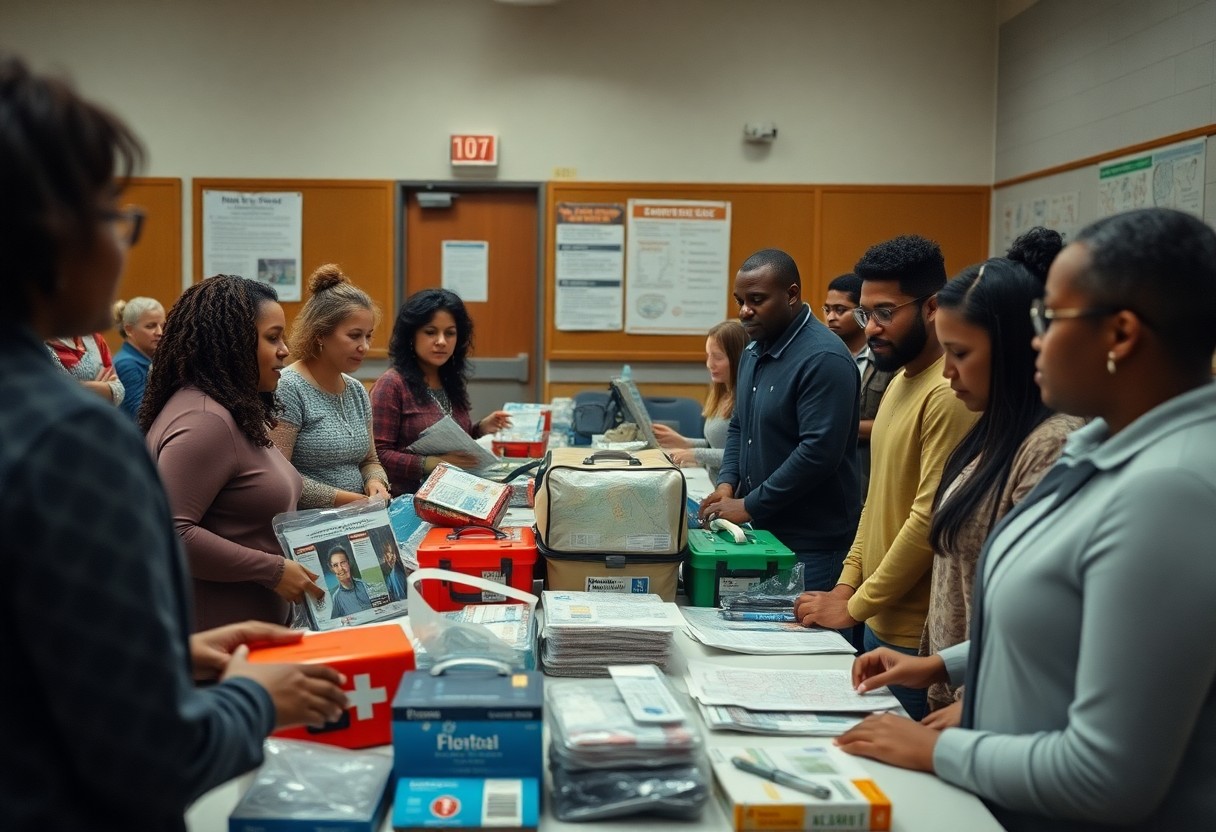
Developing knowledge and skills through education and training is crucial for effective community preparedness. Regular workshops, seminars, and drills can empower residents to understand emergency protocols and response strategies. Consider partnering with local organizations to facilitate courses on first aid, emergency response techniques, and disaster recovery, making sure these opportunities are accessible to all community members.
Building Local Networks
Create strong local networks through collaboration with residents, businesses, and emergency services. This interconnectedness enhances communication channels, ensuring rapid information sharing during crises. Establishing dedicated groups or committees focused on disaster management can foster a culture of preparedness and resilience.
Your network can include neighborhood associations, volunteer groups, and local businesses that commit to sharing resources and support during emergencies. Regular meetings and social events can further strengthen these ties, allowing you and your neighbors to share knowledge and experiences. For instance, organizing community response teams that practice together can build trust and readiness, reducing response times during actual incidents. Utilize social media and community boards to keep everyone informed and engaged, leveraging technology to unite your community in preparedness efforts.
Real-Life Success Stories
Communities That Have Thrived
Examples abound of communities that have successfully navigated disasters through preparedness initiatives. Take the example of Montpelier, Vermont, where a comprehensive flood resilience plan helped the city reduce damage by over 30% during severe weather events. Strategies included upgrading stormwater infrastructure and community workshops that taught residents to better protect their homes. These proactive measures not only saved lives but also fostered a strong sense of community spirit.
Lessons Learned from Others
Insights from other communities highlight the value of collaboration and proactive planning. For instance, after facing devastating wildfires, Paradise, California adopted a community-wide approach to fire safety, emphasizing the importance of regular fire drills and neighborhood watch programs. By learning from past mistakes and leveraging local resources, smaller towns can enhance their resilience against natural disasters.
Examining case studies from various regions reveals actionable strategies that can be adapted to different settings. For example, the “Meet Your Neighbors” campaign in Sonoma County encourages residents to establish relationships with each other, fostering cooperation during emergencies. This initiative not only supports disaster response but also enhances day-to-day community engagement. As detailed in Unpacking the ROI of Disaster Preparedness, the investment in community preparedness leads to significant societal benefits, including economic savings and improved quality of life.
How to Get Involved
Engaging with your community on preparedness initiatives can significantly enhance resilience. Start by attending local meetings, volunteering for events, or joining organizations focused on emergency readiness. Your involvement not only contributes to collective safety but also empowers others to participate.
Joining Local Initiatives
Participating in local initiatives allows you to collaborate with like-minded individuals who share your commitment to community safety. Look for neighborhood watch programs, volunteer fire departments, or community gardens that also emphasize disaster preparedness. These groups often welcome your input and enthusiasm.
Promoting Awareness
Raising awareness about community preparedness fosters a culture of safety and readiness. Share information through social media, host workshops, or create informative pamphlets that highlight local resources and strategies for disaster response. Keeping your community informed can lead to more proactive behaviors during emergencies.
For effective promotion, consider utilizing platforms like Facebook or Nextdoor, which can amplify your message to broader audiences. Organize community events where experts can speak on various preparedness topics, such as first aid or emergency kit crucials. Collaboration with local schools or businesses can also enhance outreach efforts, making preparedness a community-wide priority. Engaging in discussions at town halls or community centers promotes dialogue that can inspire collective action and energize neighbors to take readiness seriously.
To wrap up
Now, as challenges continue to arise in our world, community preparedness is vital for you and your loved ones. By working together and building strong networks, you enhance your safety and resilience in times of crisis. Your engagement in local initiatives fosters a sense of belonging and ensures that everyone is equipped to face potential emergencies. Embracing preparedness today empowers you to protect what matters most and support your neighbors, creating a stronger, more connected community for tomorrow.
FAQ
Q: What is community preparedness?
A: Community preparedness refers to the collective actions and planning measures taken by a group of individuals and organizations to effectively respond to emergencies and disasters. It involves coordination, training, and resource allocation to enhance resilience against potential threats.
Q: Why is community preparedness important in today’s society?
A: Community preparedness is vital as it fosters a proactive approach to emergencies, ensures quicker response times, and minimizes damage and loss. In an era of increasing natural disasters and public health crises, being prepared helps communities effectively manage and mitigate impacts.
Q: How does community preparedness enhance resilience?
A: Enhanced resilience through community preparedness allows individuals and organizations to recover more quickly from setbacks. It promotes communication, resource sharing, and mutual support, creating a network of safety that strengthens the community’s ability to withstand and rebound from challenges.
Q: What role do local organizations play in community preparedness?
A: Local organizations are integral to community preparedness as they provide training, resources, and support. They facilitate planning efforts, raise awareness about risks, and mobilize volunteers during emergencies, ensuring that communities are better equipped to handle various situations.
Q: How can individuals contribute to their community’s preparedness?
A: Individuals can contribute by becoming informed about local hazards, participating in training programs, establishing personal emergency plans, and volunteering with local preparedness initiatives. Engaging in community activities fosters a culture of readiness and collective responsibility.